Human Feces Cleanup
Human feces cleanup and disinfection in homes, rentals and public restrooms.
See human feces cleanupGet feces, urine, vomit, blood and other bodily fluids removed from a home, rental, care setting or workplace in Eden. The affected area is cleaned, disinfected and checked before it is used again.
Safe removal of blood, vomit, urine, feces and other human waste is bodily fluid cleanup. It continues with disinfection, cleaning and treatment for odors in the affected area.
A spill can get beneath the surface, reaching seams, wall cavities, carpet pad, grout or unfinished wood. That is why this work goes beyond regular housekeeping. Cleanup technicians map all affected and nearby areas, keep other rooms protected and determine which materials allow disinfection. With a larger biohazard remediation job, safe packaging, containment, odor removal and waste disposal may be part of the full process.
Human feces cleanup, urine and feces cleanup, and vomit cleanup may be needed in a home, apartment, care setting, hotel, school, restroom or workplace. Bodily fluid cleaning services can address one recent spill or repeated contamination. The goal is to remove the source, use the right product for each surface and leave the space ready for its next use.
Keepsakes and other salvageable possessions are divided from materials requiring disposal. A conversation with you comes before an item removal choice whenever the conditions permit.
Crews use unmarked vehicles, and calls are answered during both daytime and nighttime. Your circumstances are discussed calmly, with access limited to the work area that is needed.
Ask in advance how the cleaning process is expected to move forward, including affected areas, items that may remain and materials that could require removal.
For managers and property owners, available waste paperwork, photographs and a clear scope may be organized for evaluation by the insurance company.
When bodily fluid spreads across a large space, reaches porous material or presents a health concern beyond ordinary cleaning, professional cleanup is appropriate. Although each event differs, common situations include:
You may require human feces clean up by a professional if illness, a toilet accident or reduced mobility leaves fecal matter on bedding, walls, flooring and nearby possessions.
A controlled workspace can protect employees and guests during commercial feces cleanup in offices, restrooms, shops and common buildings.
You may encounter human or animal waste while clearing a badly neglected property, completing a welfare check or managing a move-out.
Diarrhea, vomit and additional fluids may travel past the obvious area to soft surfaces, surrounding touch points and rooms your loved ones use.
Protect people first and avoid spreading material beyond the original spot. If this is an emergency response or law enforcement is involved, wait until the area is released to you. Take these steps while arranging a cleaning service:
Call (888) 351-0904Published guides list small blood or fluid cleanup at $500 to $2,500. One blood cleanup pricing guide publishes a broader span of $300 to $4,000. These are comparison ranges, not a set charge for every bodily fluid cleanup. The actual cost depends on the fluid, the size of the affected area, the surfaces involved, waste disposal and odor treatment.
Published national cost guides are the source for these ranges, rather than an inspection of your property. You learn what your property will cost after the on-site assessment and before any work begins.
Ask about cost: (888) 351-0904Your policy may or may not cover the work, based on the contamination's cause as well as its terms, limits and deductible. Before approving work that is not urgent, ask your insurance company specifically about biohazard cleanup.
Save your photographs, claim number, invoices, disposal documentation and work scope. Insurance companies determine whether coverage applies, and cleaning records cannot promise reimbursement.
The New York State Office of Victim Services lists crime scene cleanup expenses among the compensation it can pay to crime victims. Insurance is usually checked first.
Before taking out damaged materials, property owners or people managing a business may ask the adjuster about required records and possible building-policy coverage.
Coverage may apply when cleaning follows a sudden event included in the policy, although ordinary maintenance, sanitation and neglect generally receive different treatment. Confirm your own terms.
This bodily fluid remediation process covers every stage between the opening assessment and final check. A controlled sequence helps protect clean rooms from transferred contamination. The particular fluid, distance traveled and affected materials shape the steps.
Assessment covers affected areas, the source, adjacent surfaces, porous items, sharp objects and hazardous materials that require careful treatment.
A separation is created between clean rooms and the work area. Based on the exposure, protective gear such as gloves, clothing and eye protection is selected.
To limit transfer and splashes into surrounding areas, pooled liquid and solid matter are removed carefully before wet cleaning.
When fluid soaks too deeply for full cleaning, damaged drywall, unfinished wood, carpet pad or soft furniture may require removal.
After cleaning the remaining surfaces, an EPA-registered disinfectant is applied for all of the contact time listed on the label.
Nearby fixtures, switches, door knobs and surfaces are inspected and cleaned if equipment, footwear or hands could have carried material to them.
Applicable waste requirements guide the sealing and routing of discarded material. The source of contamination must be gone before odor work begins.
The work area is checked for remaining soil and odor. Photos, disposal documentation and the work scope may help with property records and insurance assistance.

Call any hour. Your bodily fluid cleanup specialist answers the phone, describes what happens next and works with you on a start time.
Germs or infectious material may be present with bodily fluids, and an absorbent surface can retain contamination deeper than the area you see.
Carpet, padding, mattresses, unfinished wood and drywall can absorb liquid. Contamination and smells may remain below after the top is wiped.
Fecal matter can contain disease-causing bacteria, viruses and parasites. Touching it or transferring it to food, hands and high-touch surfaces can spread illness.
The consequences of contact may be greater for children, seniors and those with compromised immune systems. Begin by keeping vulnerable people away from the affected area.
Can you clean it yourself? A small recent spill on a hard non-porous material may be manageable if you use disposable gloves, lift it cautiously and leave an EPA-registered disinfectant on for the full contact time on its label. Professional cleanup is needed for an unknown source, any blood, involved sharp objects, widely spread waste or fluid absorbed by carpet, drywall, wood or furniture.
Whether a material stays depends on its condition and absorbency. Thorough disinfection and cleaning often allow hard, intact items to remain, while materials with unreachable contaminated layers may require removal. When this work reveals damage, restoration services can repair walls, flooring and other parts of the building afterward.
How long the work takes depends on the area's size, how far fluid penetrated and whether material removal is necessary. Compared with repeated contamination in several rooms, a recent spill remaining on a surface requires less work.
| Scene | Typical time on site |
|---|---|
| Small spill on one hard surface | Cleaning, disinfection and contact time |
| One room with porous materials | Cleaning, disinfecting, taking out waste and checking for smells |
| Several rooms or repeated contamination | Staged removal and cleaning over a longer period |
Odor removal starts with finding and removing the source. Fragrance can cover urine, feces or vomit odor for a short time, but it cannot clean fluid left behind under flooring, inside furniture or behind baseboards.
Once contaminated items are out and cleaning is complete, ventilation and drying can begin. During the work, HEPA air scrubbers may assist in capturing particles in the air. An odor that persists may mean fluid is still held by porous material. Final inspection should therefore cover wall bases, nearby contents, seams and floor edges.
The full bodily fluid cleanup guide covers what is cleaned or removed, odor and air quality work, and the rules that apply in your state.
Read the full bodily fluid cleanup guideContainment, entry and cleanup plans can be influenced by local housing, population and access details.
Because renter occupancy is 12.6%, cleanup discussions often can focus on the household without a separate property manager involved.
A median build year of 1969 means fluids can pass through carpet or seams and affect padding or subfloor below.
The local senior population includes 166 people living alone, and any cleanup in a home like theirs calls for discreet, respectful planning.
A single-family share of 87.8% makes private entrances useful for discreet equipment movement during a sensitive cleanup.
Ask on the call about cleanup options for neighboring communities and ZIP codes.
Human feces cleanup and disinfection in homes, rentals and public restrooms.
See human feces cleanup
For furnishings, flooring and subfloors, urine cleanup includes odor removal.
See urine cleanup
Cleanup and disinfection remove vomit and prevent norovirus and other germs from spreading.
See vomit cleanup
Carpet, solid floors, walls and furnishings receive blood cleanup that includes safe disposal.
See blood cleanup
Blood spill cleanup for fresh or dried spills of any size.
See blood spill cleanup
During cleanup, blood exposure involving hepatitis C, HIV and hepatitis B is controlled.
See bloodborne pathogen cleanup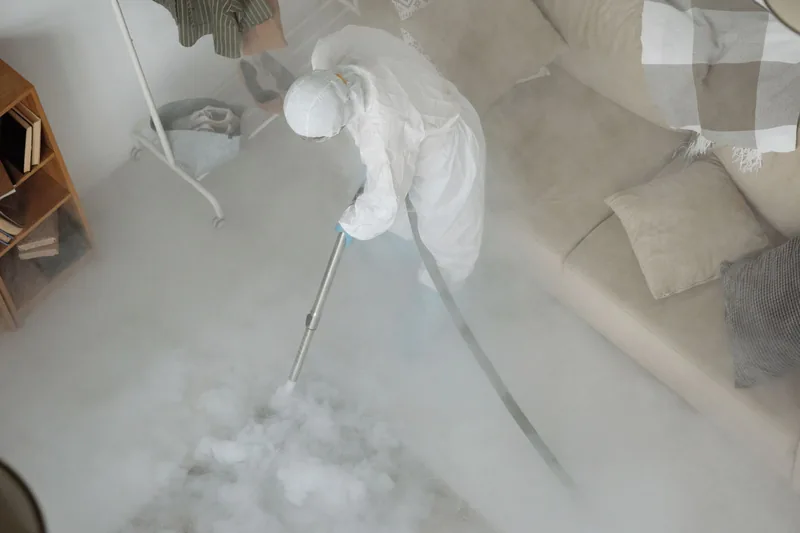
Complete decontamination treats the room, its surfaces and the air after a hazardous or infectious exposure.
See biohazard decontamination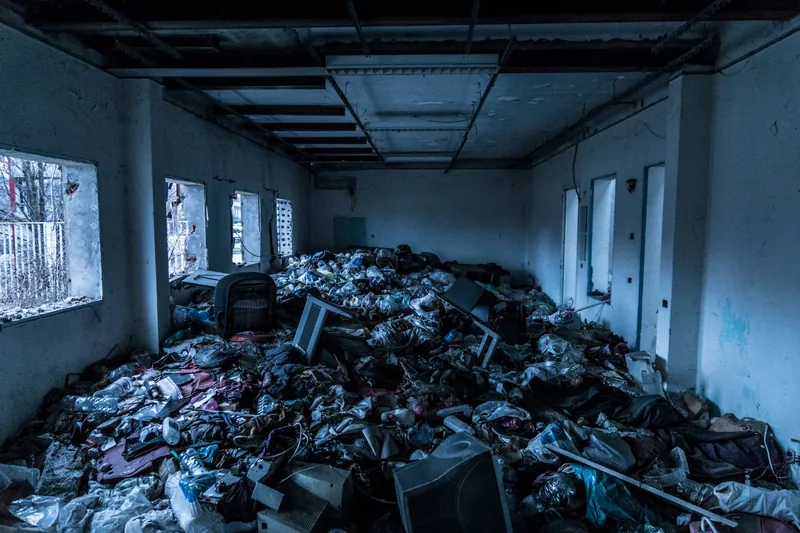
Hoarding cleanup with respectful sorting, removal and deep cleaning.
See hoarding cleanupA small cleanup involving blood or fluid is listed in comparison data at $500 to $2,500. The listed range in another blood cleanup cost guide is $300 to $4,000. The actual amount depends on the fluid, area, surface, disposal needs and odor work. Because the published price ranges cannot represent all properties, an assessment is necessary.
Some bodily fluids can carry infectious material, and any fluid may be mixed with blood, feces or another contaminant. Risk varies with the circumstances and kind of fluid. Keep material off bare skin, shield your eyes and cuts, and use caution with contamination you cannot identify. A widespread spill or fluid absorbed by porous material calls for professional cleanup.
Possibly, but the cause and terms of your policy determine coverage. Routine cleaning, ongoing neglect and upkeep can receive different treatment than a sudden event that is covered. Describe the incident to your insurance company and, before any removal that can safely wait, ask about approval, records, deductible and biohazard cleanup requirements.
Before cleaning, block others from the area and protect your hands with proper disposable gloves. Do not sweep or vacuum dried feces. Carefully remove solid material, clean the visible soil and disinfect a hard, intact surface with a suitable EPA-registered product used exactly as labeled. When hazards are uncertain, materials are porous or contamination is widespread, professional human feces removal is the safer option.
Treat human feces as biological contamination since it can hold viruses, bacteria and parasites capable of causing disease. Keep people and pets away, avoid creating dust or splashes, and wash hands after any possible contact. When fecal matter reaches wood, carpet or furniture, or contamination is extensive, removal and disinfection should be controlled.
Yes. Vomit is a bodily fluid and may contain organisms that spread illness. Remove the material carefully so it does not splash, clean any visible soil and keep a suitable EPA-registered disinfectant on the surface for its entire label contact time. Contamination carried by hands, equipment or footwear can make cleaning necessary on nearby frequently touched surfaces.
You can request respectful, discreet bodily fluid cleanup 24 hours a day, and crews use unmarked vehicles.